


Winter Pet Safety: Protecting Your Dog's Paws From Ice, Snow, and Salt
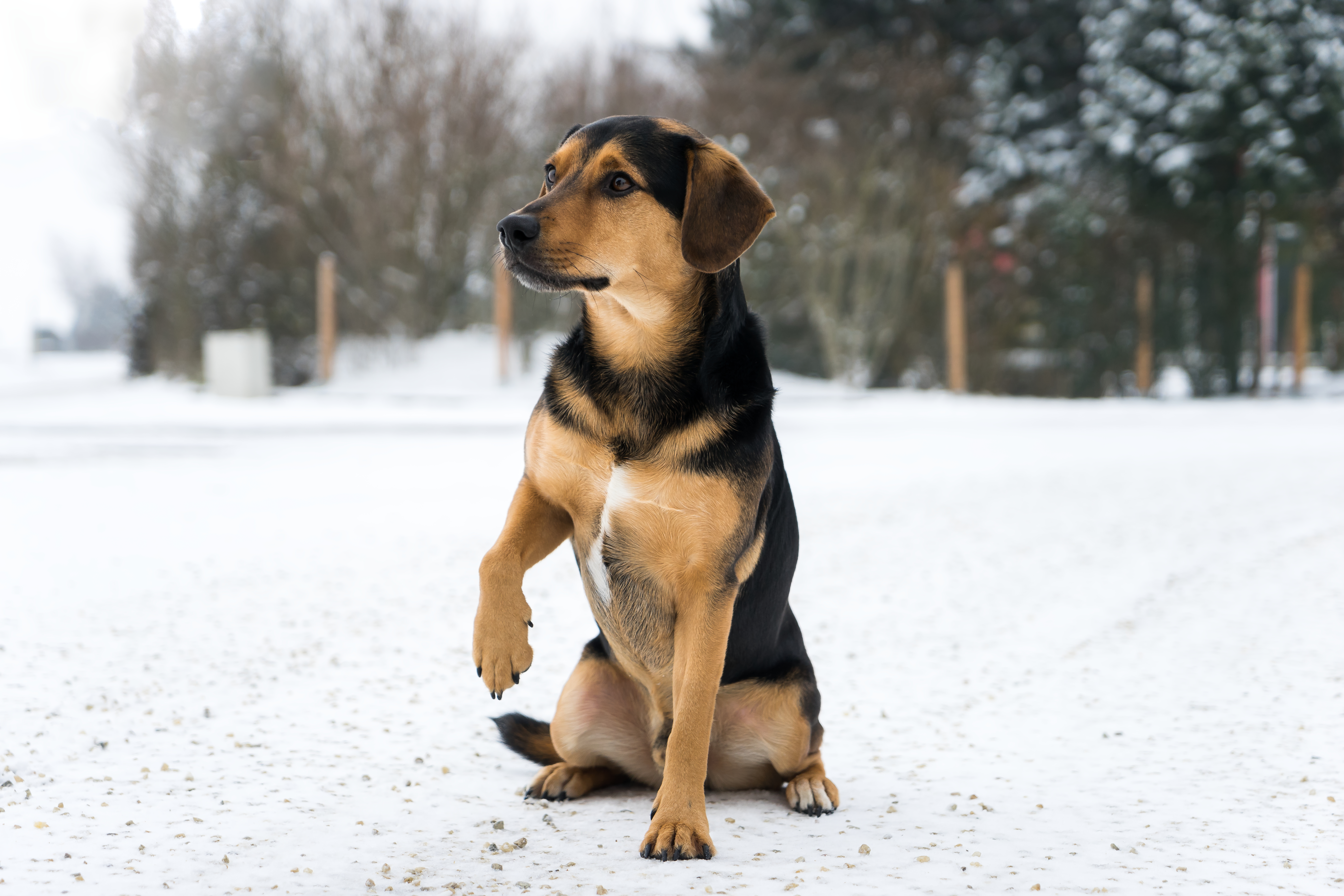
Winter in Grayslake, IL, brings snow, icy sidewalks, and road salt that can make everyday walks uncomfortable for dogs. While a thick coat may help your dog stay warm, paw pads are still exposed to freezing surfaces and chemicals used to melt ice. Taking a few precautions before and after walks can help prevent irritation, injuries, and cold-weather discomfort.
How Snow, Ice, and Salt Affect Your Dog's Paws
Snow can collect between a dog's toes and form small ice balls that pull on the surrounding fur and cause discomfort. Rough ice can scrape paw pads, while prolonged contact with cold surfaces may contribute to painful tissue damage.
Road salt and chemical deicers create another concern. These products can dry out or irritate paw pads, especially when the skin is already cracked. Dogs may also lick residue from their feet after a walk, potentially causing drooling, vomiting, or other problems depending on the product and amount swallowed. Even products labeled pet-friendly should be kept off your dog's paws when possible.
Ways to Protect Your Dog's Paws During Winter Walks
A few changes to your winter routine can reduce your dog's exposure to ice, snow, and deicing chemicals:
- Use properly fitted dog booties. They provide a barrier against icy surfaces and salt, but introduce them gradually so your dog can adjust.
- Consider a paw balm or wax. A dog-safe protective product applied before walks may help limit dryness and contact with irritants.
- Choose safer walking routes. Avoid heavily salted sidewalks, sharp ice, and areas where deicing chemicals have visibly accumulated.
- Keep walks manageable. Shorten outings during extreme cold, especially for small dogs, seniors, and dogs with existing paw problems.
- Maintain the fur around the paws. Carefully trimming excess fur between paw pads can reduce ice buildup, but avoid cutting near the skin.
Clean and Check Paws After Each Walk
When you return indoors, gently wipe or rinse your dog's paws with lukewarm water to remove salt, dirt, and chemical residue. Check between the toes, around the nails, and along each paw pad for trapped ice or debris. Dry the paws thoroughly, including the spaces between the toes, to prevent lingering moisture and irritation.
Pay attention if your dog repeatedly licks their feet, lifts a paw, or hesitates to walk. These behaviors may indicate discomfort even before you notice visible damage. Avoid using human lotions or medicated creams without veterinary guidance, since dogs may lick these products.
When to Contact Your Veterinarian
Redness, swelling, bleeding, persistent limping, or cracked paw pads that do not improve warrant a veterinary examination. Pale or discolored skin, blisters, severe pain, or suspected frostbite require prompt veterinary attention. If your dog swallows deicer or begins vomiting after licking their paws, contact a veterinarian promptly and have the product information available.
If winter walks are leaving your dog with sore or irritated paws, contact Village Veterinary Clinic in Grayslake, IL, at (224) 435-5455 to schedule an examination.

Services
Learn More
Keep
In Touch
Download our app here:


Powered by:
